
Gear
-
“I don’t think a great book has yet been written on computer”
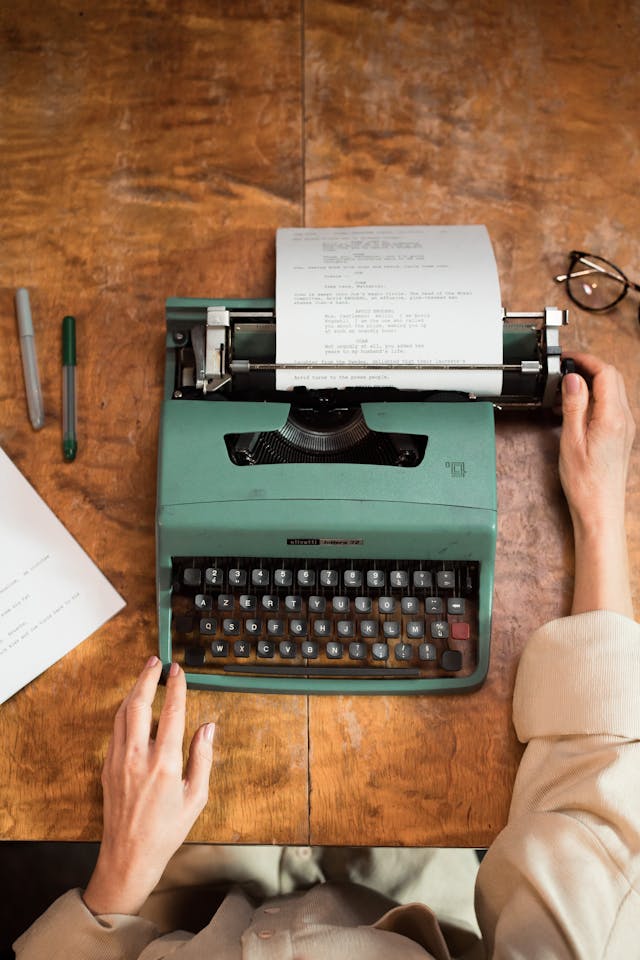
Writers’ rooms: JG Ballard Distrusting computers, the science fiction writer JG Ballard wrote the first drafts of his novels by hand before finishing them off on a typewriter: “On the desk is my old manual typewriter, which I recently found in my stair cupboard. I was inspired by a letter from Will Self, who wrote to me on his manual typewriter. So far I have just stared at the old machine, without daring to touch it, but who knows? The first drafts of my novels have all been written in longhand and then I type them up on my old… >>>
-
An egg, a spoon and Ursula

“I’ve never seen a gold egg spoon, but I’m sure it would do. Whatever the material, the spoon has to have a small bowl with a fine edge on it: a thick edge can’t coax all the egg white off the inside of the shell. The handle is short, for good balance and easy handling. An egg spoon is a tiny implement that, like the Viennese breakfast 1, cannot be improved. Like all good tools, it gives pleasure by its pure aptness. It does one thing only, but does it perfectly, and nothing else can do it. Trying to eat… >>>
-
iPhone Knows
Apple has made it possible for almost anybody – a jealous spouse, a private detective – with access to your phone or computer to get detailed information about where you’ve been. Pete Warden Apple’s iPhone contains a secret file which keeps track of everywhere you go, say researchers. 110420 Guardian >>>
-
Mob Rules
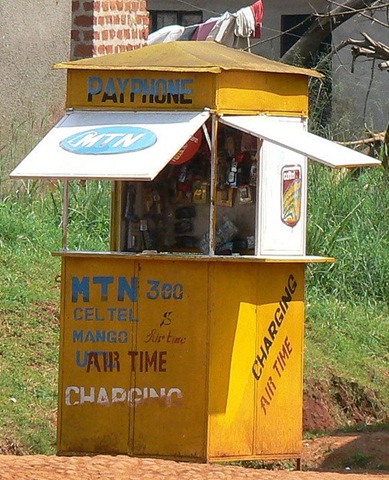
Africa’s mobile phone kiosks: tech hubs set to rival Silicon Valley? In the West, there’s an app for everything. In Africa, so goes the latest business/development mantra, there’s the mobile phone kiosk. The noise around Africa’s diy mobile phone culture sometimes sounds like a faint repeat of the dotcom hype from 1990s San Francisco. However, Africa’s kiosks are for real: in the last decade or so, mobile phone kiosks have appeared everywhere, on every African city street corner. They add up to entrepreneurial ecosystems buzzing with innovative goods and services, claim the business pundits. It’s an MBA case study scrawled… >>>
-
Guided By Tech

When in Rome, do as the New York Times tells you. A recent travel feature about Rome at Night comes attached with not only the usual multimedia map but an MP3 walking tour as well. Great. Unless you happen to depend on the tourist dollar… Riffing off a recent Wired item enthusing about a crowdsourced GPS tour of Namibia, Geoff Manaugh sees downsizing ahead for locals as tourists start turning up preloaded with everything (they think) they need to know about a place: … You fly down to the Amazon to try ayahuasca, but you don’t hire any local shamans… >>>
-
Better creativity through software
Check out the pros and cons of Rationale: an argument mapper for Windows. Conclusion? It’s a nifty addition to any journalist/blogger/critical thinker’s software toolbox. Chicken and egg, form and function, structure and agency: when I’m writing, I’m pretty certain that in order to be creative, to make something new, I need an argument, a structure, first. Without a sound argument, staring at the screen, blinking in time with MS Word’s cursor, I’m struck by a vast, chin-stroking, procrastinatory, angsty agony. Blinks. Strokes chin. How to start? Go figure, hippie permissives: for me, mapping out my arguments in geekish detail isn’t… >>>
-
Hello Microsoft, Goodbye
Hired by Microsoft to be an “enthusiast evangelist”, to “go out and mingle, bond and touch influential end users and show them all the cool things that Microsoft has to offer”, lifestyle blogger Stephanie Quilao quit after only nine and a half weeks. It wasn’t just that working for Microsoft made her feel like Martha Stewart trying to fit in at a Star Trek convention — “I wanted to play with style and they wanted to play with robots.” Comparing Microsoft’s desktop software to the Web 2.0 services available online, Quilao says that Microsoft doesn’t cut it for everyday people:… >>>
-
Manipulating Media
Steve Bryant only buys (into) media he can do stuff with: Media is changing from entertainment into utility. Media that can’t be manipulated is almost useless. When I listen to NPR, I wish I could freeze the broadcast and pull a link from the radio, send it to a friend. When I watch TV, same thing. When I go to the movies, same thing. But I can’t. I can only do that online. Those tiny transactions I make online make a greater imprint on my psyche than any single media event inside a theater — or inside a DVD —… >>>
-
Storing Futures
An iPod can hold roughly 10,000 songs. Increase the storage capacity every 13 years, something the size of an iPod could store one year of video in another few years. By 2015, you could store all the music ever produced. By 2019, you could 85 years of video – a lifetime’s worth of video. By 2020, the same sized device could store all the content ever created. – David Eun, Google’s VP of Content Partnerships via paidContent.org >>>
-
Vista Launches… At Last
How come it took Bill Gates five years to revamp his flagship bunch of code? Was it laziness? Procrastination? Perfectionism? Did Bill mislay his copy of Getting Things Done? One straight-forward answer is that in trying to compete against Apple and internet-based companies, in trying to anticipate whatever the future may throw at the PC, Microsoft ran into problems with Vista’s code. The geeks made it too complex. Senior executives stepped in and refocused Vista. And shipping got delayed. – Microsoft milks the cow one last time, Independent – After delays, Microsoft in party mood for launch, San Francisco Chronicle… >>>